
The Changing Shape of Cricket: The Test of Balancing Three Formats
यह लेख क्रिकेट के तीन प्रारूपों (टेस्ट, वनडे, टी20) के बीच संतुलन पर एक विश्लेषणात्मक टुकड़ा है, किसी विशिष्ट मैच या श्रृंखला की रिपोर्ट नहीं। मुख्य बिंदु: (1) तीनों प्रारूपों का आर्थिक तर्क अलग है — टेस्ट पहचान का, वनडे संतुलन का, टी20 राजस्व का; (2) प्रसारण आमदनी की असमानता अंतरराष्ट्रीय कैलेंडर को कुछ ही बाज़ारों के इर्द-गिर्द बनाती है; (3) टी20 लीगें अंतरराष्ट्रीय कैलेंडर के समानांतर चलती हैं, जिससे राष्ट्रीय टीम बनाम लीग टकराव पैदा होता है; (4) खिलाड़ी कार्यभार प्रबंधन व्यवहार में प्रायोजक और प्रसारण प्राथमिकताओं से तय होता है; (5) महिला क्रिकेट का विस्तार असमान है और उसे 'विशेष आयोजन' से 'नियमित कैलेंडर' में बदलना ज़रूरी है; (6) छोटे क्रिकेट देशों को नियमित अंतरराष्ट्रीय अवसर नहीं मिलते, जिससे प्रतिभा समय से पहले बिखरती है; (7) घरेलू प्रथम श्रेणी क्रिकेट के कमज़ोर पड़ने का सीधा असर टेस्ट तकनीक पर पड़ता है। निष्कर्ष: कोई एक समाधान नहीं, केवल पारदर्शिता — कैलेंडर का आधार, राजस्व बँटवारा और आराम के फ़ैसले सार्वजनिक होने चाहिए। नोट: इस सामग्री में कोई विशिष्ट मैच परिणाम, स्कोर, तिथि या उद्धरण नहीं है; यह सामान्य विश्लेषण है।
Cricket today is one of the few sports played simultaneously in three distinct formats — the five-day Test match, the fifty-over ODI, and the three-hour T20. This variety is both the sport's greatest strength and its most tangled problem. A strength, because every kind of viewer finds a format that suits them; a problem, because a limited calendar, a limited pool of players and limited broadcast revenue must be divided three ways. The question here is not which format is "real" cricket — that debate is emotional and endless. The real question is how the three formats depend on each other, where their interests collide, and what tools administrators actually have.
The economic logic of each format is different. Test cricket is the symbol of identity and tradition, but its audience base is narrow and confined to a handful of countries. ODI was once the most successful global-tournament model, yet today it offers neither the depth of a Test nor the speed of a T20. T20 is the most commercially productive, but its life cycle is short and competition is intense. This triangle sits at the root of every current debate — whether about player workload, domestic calendars, or the neglect of smaller cricket nations.
Test cricket's position is contradictory. On one hand it is regarded as the technical pinnacle of the game — five days, four innings, a pitch that changes slowly, and a test of patience. On the other, a large share of bilateral Test series circulates among only a few countries, because broadcast revenue is highest there. The result is that financially strong teams play more Tests and develop technically faster, while weaker teams drift further from the long format. This inequality is visible not only on the field but in the calendar itself.
ODI cricket is searching for its identity. Technically it has long been considered the most "balanced" format — it has both the planning of a Test and the tempo of a T20. But when a viewer can choose between three hours of excitement and five days of depth, an eight-hour middle path struggles to hold its ground. ODI retains its relevance in international tournaments, yet its appeal in bilateral series has visibly declined. The challenge for administrators is to decide whether ODI should become a purely tournament format, or whether a solid reason must be found to keep it on the regular calendar.
T20 has fundamentally changed the economics of the game. Franchise leagues opened employment doors for players that would have been unimaginable two decades ago. But this same success created a new problem — the calendar tug-of-war between national teams and leagues. When a league's financial gain collides with national commitment, the player is caught in the middle and the board is uncomfortable. This conflict is not one country's problem but a structural problem for the whole sport, because leagues now run not inside the international calendar but parallel to it.
Player workload is the most human side of this entire debate. Cricketers who play all three formats regularly — Kane Williamson, Joe Root, Virat Kohli or Pat Cummins, for instance — are examples of those who face pressure from three directions at once. Physical injuries are visible; mental fatigue and its effect on form often go unexamined. Workload management is now in every board's vocabulary, but in practice it frequently becomes the electoral politics of "which match does this player rest for." When the decision to rest is driven by sponsors' and broadcasters' priorities, the player's interest moves to second place.
Inequality in broadcast revenue is the least discussed part of this structure. Globally, a large share of cricket's income comes from a handful of markets, and decision-making power follows the same proportion. The direct effect is that the international calendar is built around the contests that are attractive to those markets. The globalisation of the game looks rapid on paper, but in practice competitive balance tends to worsen rather than improve.
Technology has changed the game's sense of justice, and created new debates along the way. A review system like DRS was meant to correct clear errors, but over time it has become part of strategy — when to review and when not to is itself part of the contest. Alongside this comes the question of whether technology is equally available to all, or only at events with resources. When two matches in the same sport are played to different technological standards, the very definition of fairness becomes flexible.
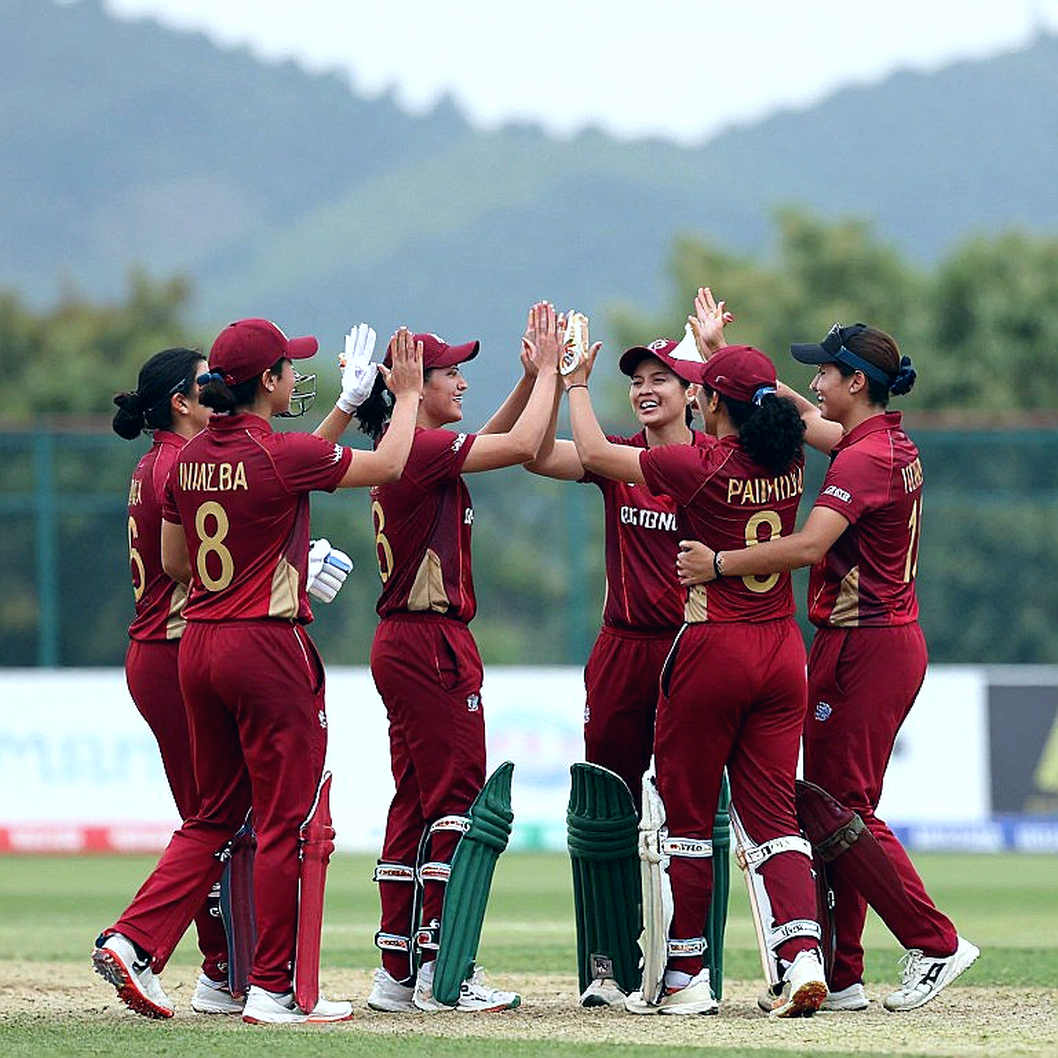
The growth of women's cricket is the most hopeful chapter in this picture. In recent years, separate broadcast deals, separate leagues and rising audiences have emerged for women's matches. But this growth is uneven — rapid in some countries, still nascent in others. The real test will be whether women's cricket becomes part of the normal calendar rather than a "special event," because only sustained visibility brings sustained investment.
The position of smaller cricket nations is the weakest link in this whole structure. Between limited resources, low broadcast income and irregular international opportunities, building long careers is hard for their players. When a country gets only a handful of international matches a year, talent disperses before it develops. At the global body level, it must be accepted that expanding competition comes not from adding new markets alone, but from giving existing countries sustainable opportunities.
The domestic structure is where this entire tension shows up first. Players for the national team come from domestic tournaments, but when the calendar fills with T20 leagues, domestic long-format cricket becomes secondary. The effect lands directly on technique — a player who has not learned to bat long in domestic first-class cricket cannot summon patience in an international Test. This is the hardest balance for boards, because domestic cricket offers little immediate revenue while its benefit is long-term.
The audience and ticketing side is equally complex. Television and digital platforms have expanded reach, but the number of spectators actually coming to stadiums has not grown equally across formats. Improving the spectator experience in the long format, providing better facilities and keeping tickets affordable — these are steps that receive little attention despite their direct impact. Even a brilliant match played in an empty stadium does not come across as powerfully on broadcast.
The sum of all this is that cricket's three-format arrangement is not a balanced structure but a continuous process of adjustment. Every time a calendar is drawn up, revenue, identity, player welfare and global expansion must be weighed together, and every time one side loses something. There is no single fix. What is possible is transparency. On what basis is the calendar built, how is broadcast revenue shared, who decides a player's rest — if the answers to these questions were public, the debate could move past its starting point. Until those answers are complete, the balance among the three formats will rest more on good coincidence than on strong administration.
संबंधित खिलाड़ी
अनुशंसित
149 at the WACA, a Second Ton in Four Days — but the Test Question Is Still Unresolved2026-10-26
One Match Off, Seven Missing Numbers: Weighing Ishan Kishan's Fitness Bulletin on a Data Scale2026-10-27
Jimmy Anderson: An Average of 17 and a Team Second-Bottom — Auditing Lancashire's Decision2026-10-24
The Empty-Data Trap in Cricket Analytics: When the Framework Looks Right and the Facts Are Zero2026-10-31
Albie Morkel's Return to Chennai Is a Bowling Audit, Not Nostalgia2026-10-29
Eight Fields and One Empty File: The Price of Truth in a Transfer Window2026-10-31
Input Unavailable: Report Could Not Be Generated2026-11-01
अनुशंसित
Test Cricket's Rarest Record: The Puzzle of Batters Who Scored Hundreds From No.9 Or Below2026-10-25
Input Unavailable: Report Could Not Be Generated2026-11-01
99 Runs, 8 Overs, 12.38: India's 2-0 Lead Does Not Cancel Morkel's Bowling Concern2026-10-27
From 5/4 to 221/7: Omarzai's 116 off 50 and Ijaz's Blitz Help Afghanistan Beat Zimbabwe by 19 Runs, Seal Series 2-02026-10-31
The Null Return: When the Cricket Data Pipeline Came Back Empty and Nobody Said a Word2026-10-25
Madushanka stars as Sri Lanka thrash Pakistan to end England's tri-series hopes2026-10-28
The Blank Sheet: In Cricket's Data Age, the Nerve to Write 'Unknown'2026-10-24
Sri Lanka Cricket's Constitution and ICC Article 2.4: Independence From the Government, Through the Government2026-10-28
अनुशंसित
From an Innings Win at Gqeberha to the Ranji Round: A Cricket Week's Scorecard With No Scores In It2026-10-24
118 Runs, Four Innings, Zero Fifties: Auditing the Coach's 'Zero Doubt' Guarantee on Babar Azam's Form2026-10-28
England take confidence from pressure win as McCullum hails Brook's captaincy2026-10-31
Rashid Khan Tightens Grip on No.1, Shai Hope Enters T20I Top 10 — The Ranking Table That Flattens Two Formats Into One Story2026-10-29
Joshua Bishop's debut and the empty seat next to Mushfiqur: two team sheets told the same pitch story2026-10-29
WBBL Match 3: Sydney Sixers Win Toss and Choose to Field as Brisbane Heat Bank on Home Knowledge2026-10-31
The Empty Annexure: A Documented Null Result in Cricket's Information Supply Chain2026-10-27
When Every Field in the Analysis Report Came Back Empty: Why 'I Don't Know' Is the Hardest Sentence in Cricket2026-11-01